What Japan can teach us about Intergenerational approaches to later living
< Back to InsightsHow can we design with care for our aging population?
Siri travelled to Japan this summer to see how intergenerational approaches to later living – the care and housing of older people – can have benefits beyond the site boundary, adding to civic life and bringing people together. Japan is a ‘super-aged’ society that has been adapting to its new demographics for over 25 years. In the UK there are over 1.75 million people aged 85 and over as of mid-2024, representing 2.5% of the population. This figure is projected to double by 2049. These demographic shifts raise urgent questions about the suitability of existing housing typologies and strategies for care provision currently available for later life. As an architect and WELL AP, Siri is keen to explore solutions and innovations that will help to support intergenerational wellbeing and a positive experience for those in the last quarter of their lives.
Siri travelled with friend and colleague Kaja Tiltnes from PIR2 Oslo AS to visit three examples of innovation in care, community and later living.
Beyond the care home
On her reserach trip, Siri visited three settings that break down the boundaries between care and community. Each one had a different programme, but each one was focussed on caring for its elderly residents and visitors alongside a wider community purpose.
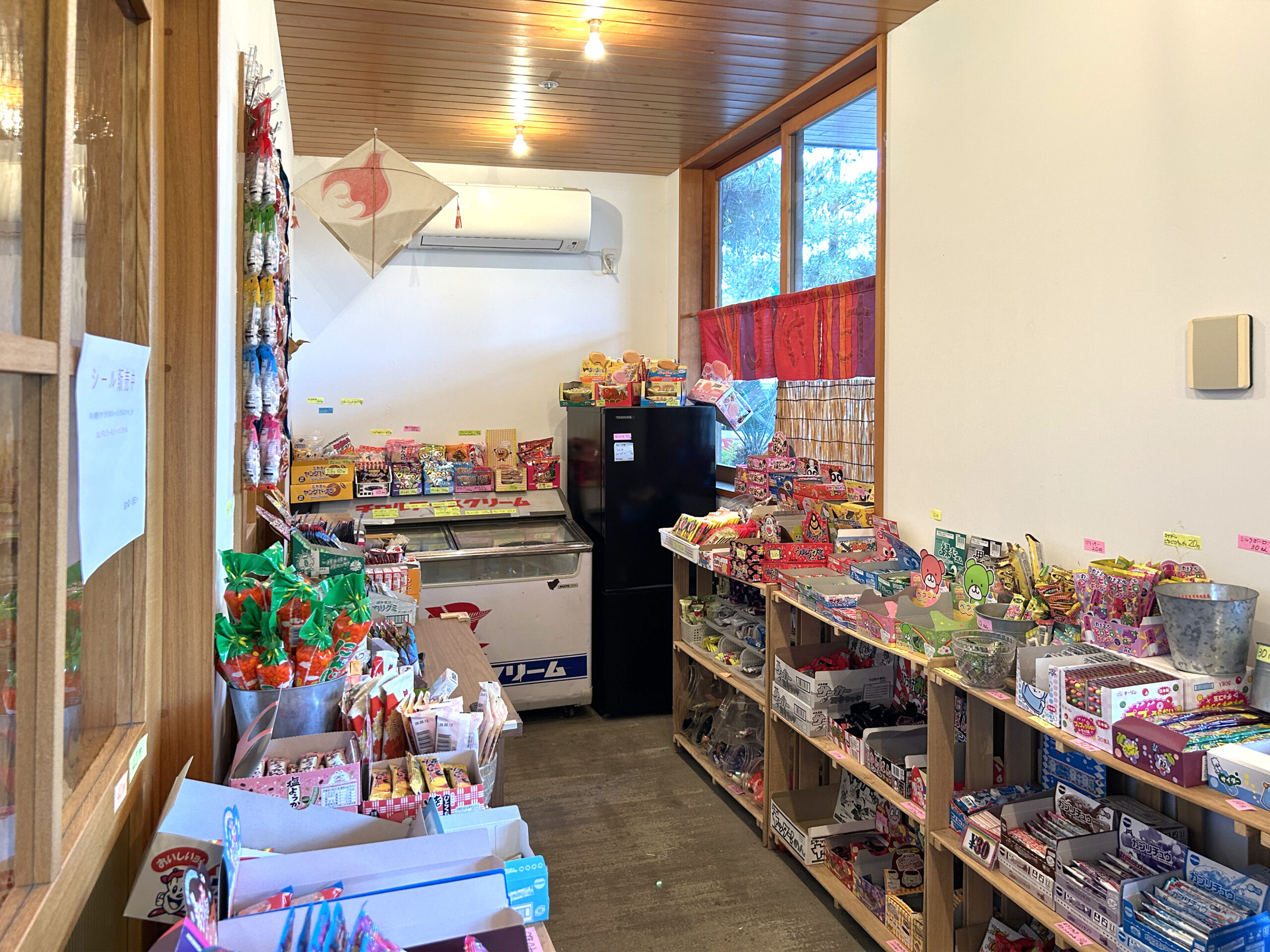
Ginmokusei is a privately owned care centre in Kanagawa, providing housing for 55 elderly people with need for full time care, many with dementia. The owner and founder deliberately wanted to create a care home that he would like to live in himself. A key part of the centre is the traditional sweet shop on the ground floor that opens daily around the time of school finishing. Run by the residents, it provides purpose and intergenerational interactions which are valuable for both young and old.
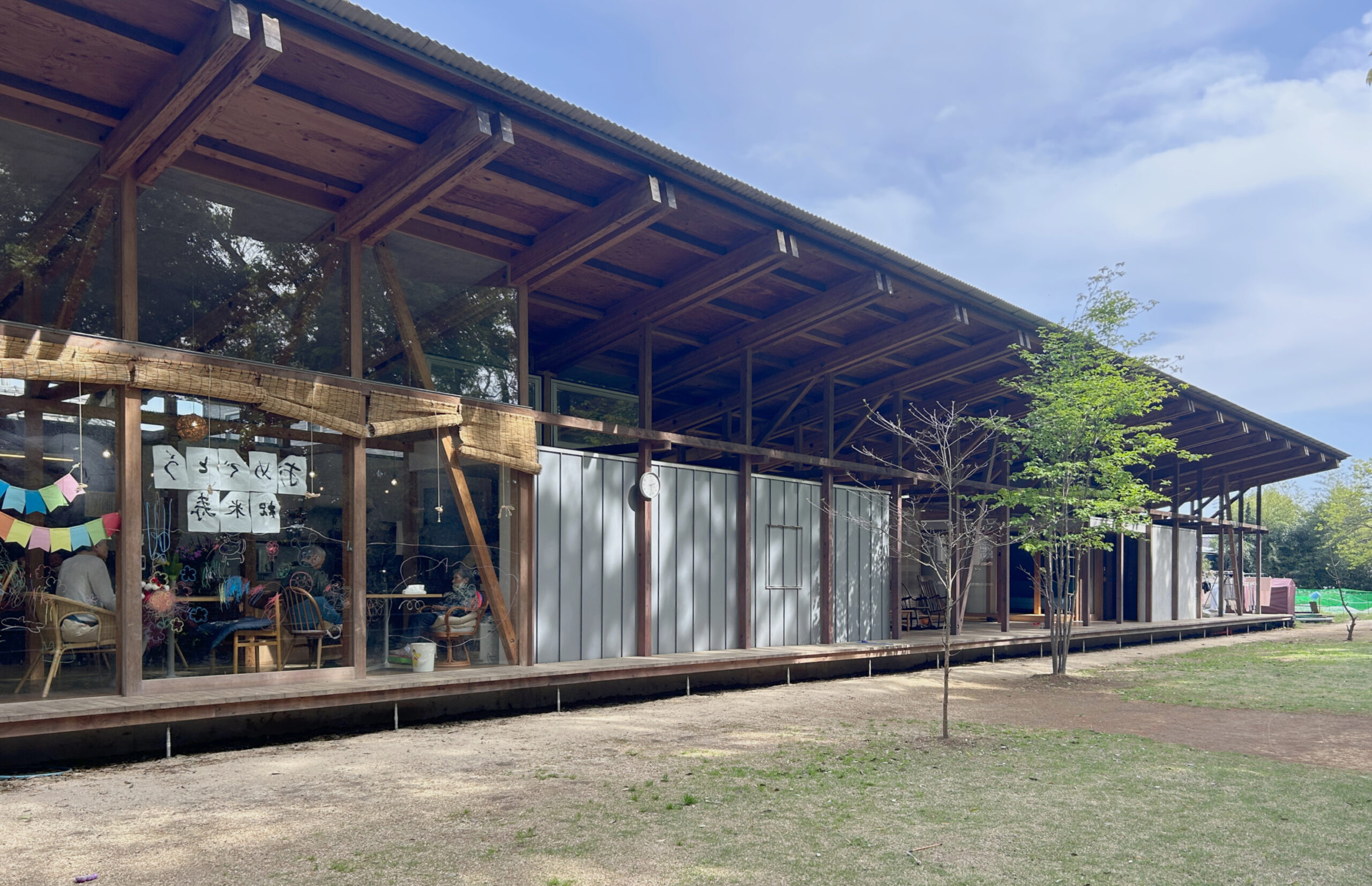
Long House With Engawa, Chiba is a day-care centre and community hub without uniforms, signage or timetable. It’s open architecture encourages visitors, and also connection to the outside, and the forest beyond.
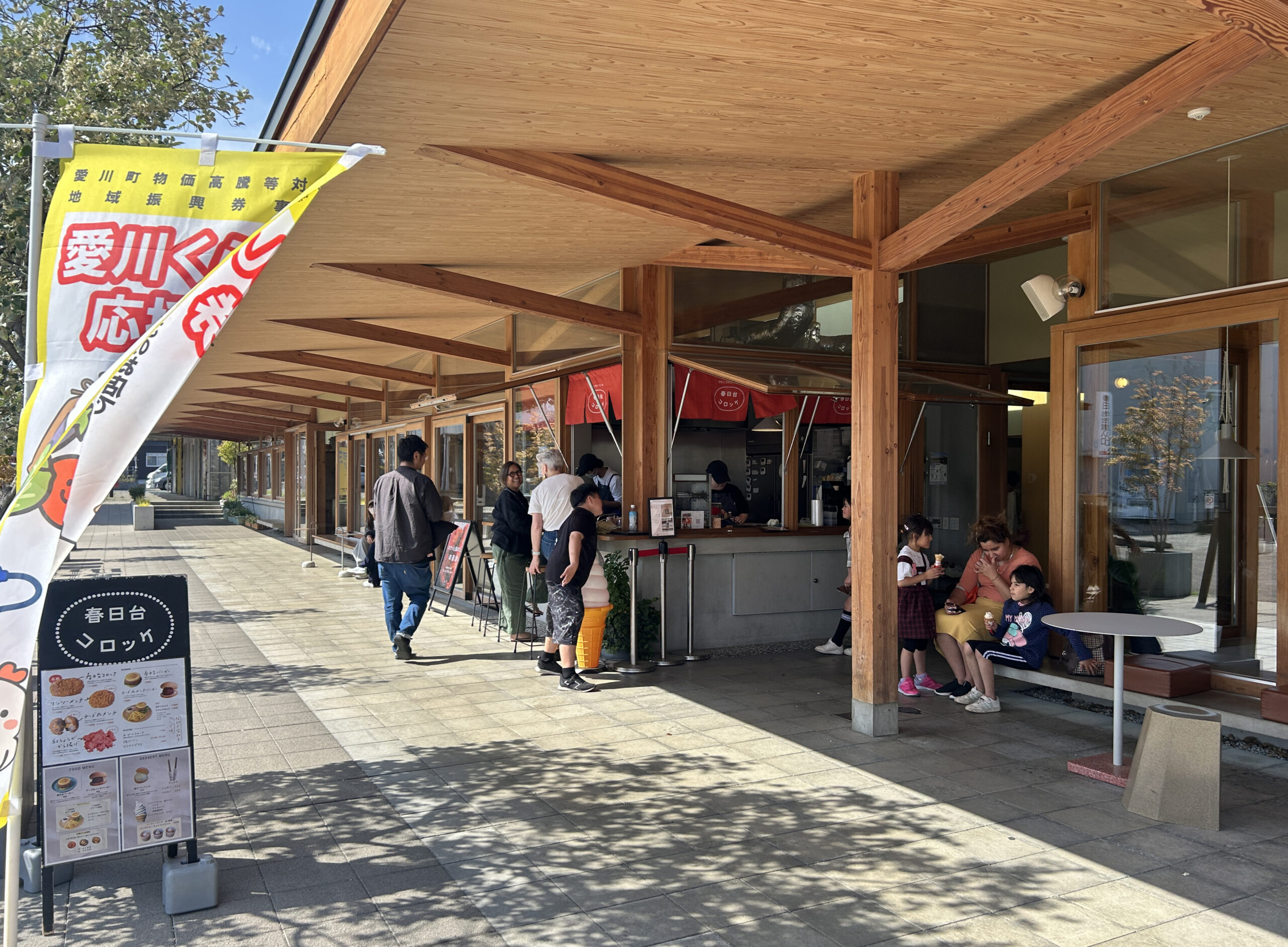
Kasugadai Center Center, Kanagawa was developed in collaboration with the local community, serving the needs of the town. Alongside dementia housing and daycare, the former supermarket building on the town square is also home to an after school club, a coin laundry and a snack bar.
What stood out was not room size or technology, but the careful overlap of functions, intergenerational placemaking and a carefully rethought vision of who is the caregiver and who is being cared for.
Imagine if UK schools, almshouses and other social care buildings could open up to their communities, rather than be siloed by use. By diversifying the programme of our social care buildings, do we also show a truer reflection of what our communities could be? More connected, more social, healthier.
Read the case study
Siri has shared her learnings with Housing LIN as a Case Study (No. 184). You can read the whole case study “What Japan can teach us about Intergenerational approaches to later living” here.
About the author
Siri Zanelli is a RIBA Chartered Architect, WELL Accredited Professional and Founding Partner of Collective Works, a London architecture studio working under the framework of “Building with Care”: reducing environmental impact while actively improving occupants’ wellbeing. She trained as an architect at NTNU in Trondheim, holds a Master of Architecture from the University of Tokyo, and has practised in London since 2006. Collective Works practices across residential retrofit, cultural, community and health promoting projects in the UK and Norway.
Frequently Asked Questions
What is a super-aged society?
The World Economics Forum describes a super aged- society as one where 20% or more of the total population is aged 65 or older
What impact will an older population in the UK have on housing and elderly care?
An older population will create a surge in demand for care services, and put pressure on our social infrastructure. Older people typically live in family homes, but with more appropriate and accessible housing, these could be released to families, reducing the current housing shortage.
What benefits are there to intergenerational approaches to later living?
Intergenerational living gives a sense of purpose and meaning to society, with cross-generational support, with people reporting social, cognitive and community benefits. There have been studies around what happens when nurseries and care homes are combined with benefits on both sides for education, health, mental health. Societies with greater intergenerational living, eg Italy, itself a super-aged society, report longer, healthier lives, and greater societal cohesion.
Let’s have a chat about your vision and
how we can help you realise it.
Collective Works are an architecture & design studio. Our network of professionals will create your perfect solution.